Rug Cleaning NYC: Reviving the Textiles That Define New York Homes
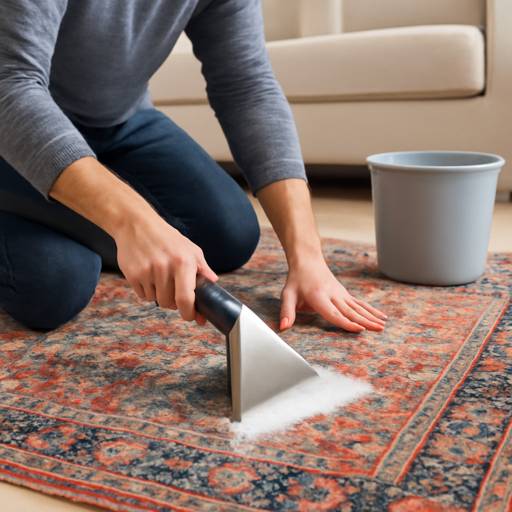
From sunlit studio apartments in Long Island City to brownstones in Park Slope and co-ops on the Upper East Side, New Yorkers rely on area rugs to bring warmth, color, and character to their spaces. Yet city life can be tough on fibers: subway soot, winter slush, pet accidents, and day-to-day foot traffic all leave their mark. Expert rug cleaning NYC services restore softness and vibrancy while protecting delicate weaves and dyes. With the right methods and materials, even heirloom pieces can look their best again without risking color bleed or fiber damage.
Beyond appearance, regular care supports a healthier home. Fine dust, allergens, and gritty soil settle deep within a rug’s foundation where vacuuming can’t reach. Professional washing removes that hidden load, improves indoor air quality, and helps your rug last for years longer. Whether it’s a hand-knotted Persian, a minimalist modern wool flatweave, or a viscose blend, entrusting your rug to local specialists ensures safe, meticulous results that fit the realities of New York living.
Why Professional Rug Cleaning in NYC Matters for Health, Beauty, and Longevity
In a dense urban environment, area rugs act like large filters. They trap airborne particles, pet dander, cooking oils, and city grime before these pollutants recirculate. Over time, this invisible buildup dulls colors, hardens fibers, and creates odors that no amount of surface vacuuming can fix. A thorough, professional process—far beyond routine carpet steam cleaning—removes embedded soil from both pile and foundation, safeguarding your investment. That’s why homeowners and property managers across Queens, Manhattan, Brooklyn, the Bronx, and Staten Island prioritize scheduled cleanings for their most valued textiles.
Not all rugs can be cleaned the same way. Wool, silk, cotton, synthetic, and plant-based fibers such as viscose each respond differently to water, pH, agitation, and heat. Intricate hand-knotted rugs with vegetable dyes demand dye-stability testing and gentle, eco-friendly detergents. Tufted rugs with latex backings may trap odors and require specialized deodorization. Shag rugs can hold pounds of dust and need robust dusting before any wash. Working with seasoned NYC technicians ensures the process is tailored to the rug—not the other way around—preserving texture, sheen, and fringe integrity.
Professional cleaning is also about health. Apartments and townhouses accumulate fine particulates from radiators, HVAC systems, and street air. When humidity rises, those contaminants cling more tightly to fibers, aggravating allergies. A deep wash removes allergens and grime that cause musty smells, delivering a fresher indoor environment for families, children, and pets. Choosing a team that emphasizes non-toxic, wool-safe solutions helps protect sensitive skin and reduces chemical residue inside small spaces common across NYC.
Finally, regular service extends the life of your rug. Abrasive soil acts like sandpaper, cutting tiny micro-fractures into wool scales and synthetic filaments with every step. By eliminating that grit, pile stays springy, fringe stays bright, and colors regain clarity. Proper drying, grooming, and blocking also help a rug lay flat—important for high-traffic hallways in prewar apartments and modern condos alike. The result is a clean that doesn’t just look great in photos, but one you can feel underfoot every day.
How Experts Clean Rugs: From Inspection to Delivery
Skilled NYC rug cleaners follow a structured workflow designed to protect both the rug and the home. It starts with a detailed pre-inspection: measuring size, identifying fiber and construction (hand-knotted, hand-tufted, machine-made), assessing stains and wear, checking for moth activity, and testing dyes for stability. Clear documentation and photos set expectations and highlight any pre-existing issues such as sun fading, prior dye bleed, or foundation weakness—vital for heirloom pieces and high-value modern rugs.
Next comes dusting. Rug professionals remove dry soil before any wash, often with harmonic vibration equipment or compressed-air dusting tables that gently vibrate out pounds of debris. This step is essential; washing a dust-laden rug can turn dry grit into a muddy paste that’s harder to remove. After dusting, technicians pre-treat stains—coffee, wine, makeup, and especially pet urine—using targeted solutions and enzyme deodorizers chosen to be safe for the rug’s fiber and dyes.
Washing is performed according to the rug’s needs. Many natural-fiber rugs respond best to an immersion bath using neutral, wool-safe detergents and cool water, with careful agitation to lift soils while protecting pile and fringe. Silk blends and some delicate modern pieces may require low-moisture or controlled hand-cleaning. For odor-heavy rugs, a decontamination soak can neutralize stubborn smells at the source rather than masking them. Throughout, rinse water is monitored until it runs clear, ensuring contaminants are fully removed rather than simply redistributed.
Proper drying is just as critical as washing. Cleaners use controlled airflow and dehumidification to dry the rug quickly and evenly, preventing musty odors, shrinkage, or dye migration. Centrifugal wringers can remove much of the water before drying racks, which reduces stress on fibers. The rug is then groomed to align the nap and brighten the surface, fringes are detailed, and blocking corrects minor warping so the rug lies flat. A final inspection confirms stain removal, odor control, and pile softness. Protective finishes—such as fiber protectors that resist future spills—can be applied on request. With convenient pickup and delivery across NYC, and the ability to coordinate building access or provide a certificate of insurance when needed, the process is built for New York schedules and spaces.
Choosing a Trusted NYC Rug Cleaner: Local Scenarios, Pricing Clarity, and Real Results
Experience matters when cleaning textiles in a city as diverse as New York. Consider a few common scenarios. A family in Astoria dealing with a puppy’s training accidents needs deep odor treatment that is safe for wool and won’t trigger sensitivities; that requires enzyme decontamination plus an acid rinse to stabilize dyes. An Upper West Side prewar co-op with radiator soot along the rug’s edges calls for targeted degreasing to lift residues without stripping natural oils from wool. A Williamsburg loft with a designer viscose blend needs careful, low-moisture processing and realistic expectations around sheen recovery and pile distortion. The best providers know these challenges well and adapt methods accordingly.
Transparent pricing is another sign of a reputable service. In New York City, most professionals price by the square foot, with adjustments for fiber type (wool versus silk or viscose), construction (hand-knotted versus tufted), and condition (heavy soiling, urine damage, moth activity). Pet urine contamination, for example, often requires submersion decontamination that adds cost and time, but it’s the only way to truly neutralize odor. Request a written estimate that details the process, turnaround time, and any optional services like stain protection or mothproofing. Quality-focused teams won’t rush a rug through; instead, they’ll explain what’s possible, what’s risky, and where specialized treatment is beneficial.
Credentials provide peace of mind. Look for technicians trained in rug identification and fiber chemistry, familiarity with Oriental and Persian rugs, and the ability to supply a COI for buildings that require it. Insurance, careful chain-of-custody practices, and clear communication about pickup and delivery windows are essential in high-rises and walk-ups alike. Strong local references—tenants, landlords, and design professionals—speak volumes about reliability and consistency. Equally important is a commitment to eco-friendly cleaning, so families and pets aren’t exposed to harsh residues in compact NYC spaces.
Real results are measured in color clarity, odor elimination, and how the rug feels when you walk across it. If corners curl less, pile feels plush again, and the room smells clean instead of “perfumed,” the cleaning worked. Many New Yorkers build a maintenance rhythm: light traffic rugs every 18–24 months, high-traffic living room pieces annually, and immediate care for spills or pet accidents to prevent permanent staining. To connect with local specialists who balance craftsmanship, green chemistry, and dependable service, explore rug cleaning NYC and schedule a convenient pickup tailored to your building and calendar.

Windhoek social entrepreneur nomadding through Seoul. Clara unpacks micro-financing apps, K-beauty supply chains, and Namibian desert mythology. Evenings find her practicing taekwondo forms and live-streaming desert-rock playlists to friends back home.


Post Comment