Fast, Reliable Orange County Dryer Repair That Keeps Laundry Day on Track
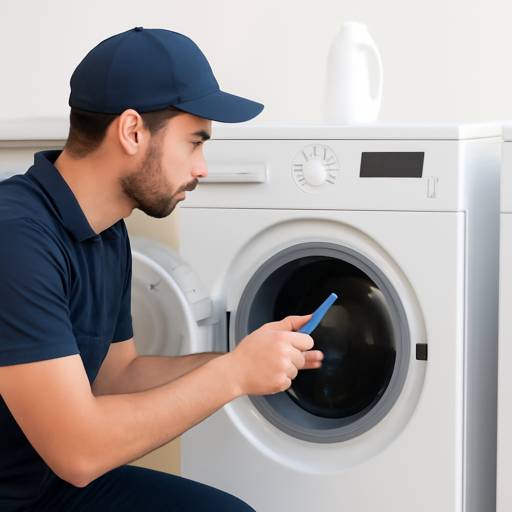
When a dryer stops heating, takes forever to finish a load, or starts making alarming noises, daily routines in Orange County households can grind to a halt. With the region’s busy schedules and coastal climate, the right solution is quick, precise, and built to last. Professional, local Orange County dryer repair brings together accurate diagnostics, genuine parts, and knowledge of both gas and electric models—from dependable mainstream machines to premium European stacks. The result is a safe, efficient appliance that dries thoroughly, protects fabrics, and keeps energy bills in check. From Huntington Beach condos to family homes in Irvine, getting the job done right the first time matters just as much as getting it done fast.
Why Local Expertise Matters for Dryer Repair in Orange County
Orange County’s mix of coastal and inland environments creates unique conditions that can influence dryer performance and longevity. Homes in Newport Beach, Dana Point, and Laguna Niguel often contend with salty air and humidity that accelerate corrosion on metal components such as idler pulleys, drum rollers, and bearing shafts. Inland areas like Irvine, Anaheim, and Tustin may see heavier lint and dust accumulation, especially in longer vent runs. Technicians who routinely serve these neighborhoods recognize these patterns and select the right fixes—from corrosion-resistant hardware to improved vent routing—that hold up over time.
Local professionals also understand the logistical challenges of servicing stacked laundry closets in high-rise buildings, townhomes with HOA rules, and tight utility spaces common in Costa Mesa and Santa Ana. Proper floor protection, careful removal of stacked units, and respect for quiet hours are more than courtesies; they prevent damage and delays. Experienced teams arrive with well-stocked vehicles, carrying the most commonly needed factory parts—heating elements, thermal fuses, drum belts, blower wheels, igniters, gas valve coils, thermostats, and door switches—so most repairs can be completed the same day. Using genuine components is crucial for performance and safety, especially on high-end brands like Miele, Bosch, and Asko where tolerances and sensor integration demand exact matches.
Code compliance is another local must. Proper gas connections, correct 240V power cords, and safe vent materials can make the difference between a dryer that simply runs and one that runs safely and efficiently. Rigid metal ducting (not plastic or flimsy foil) and short, well-supported vent paths are widely recommended to reduce fire risk and speed up drying. Technicians familiar with Orange County building standards verify shutoff valves, check for carbon monoxide risks with gas dryers, and make sure exhaust exits freely at the wall or rooftop cap. Pair that with transparent estimates and solid warranty support, and local homeowners gain confidence that the fix won’t just solve today’s symptom—it will stand up to tomorrow’s laundry loads.
For households that prize turnaround time and reliability, trusted providers offering Orange County Dryer Repair ensure a quick response, thorough testing, and results that respect both the machine and the home it serves.
Common Dryer Problems in Orange County—And Smart Checks Before You Call
Several symptoms point to a dryer that needs professional attention, but quick homeowner checks can sometimes resolve minor issues or help speed up a technician’s diagnosis. If the dryer produces no heat, first verify the cycle settings; an air-only or delicate mode can mimic a failure. Electric models require both legs of a 240V supply—if one breaker trips, the drum may still spin without heating. On gas units, confirm the gas supply is open and the home isn’t experiencing broader gas issues. If settings and utilities check out, the cause may be a failed heating element, a blown thermal cut-off, a defective high-limit thermostat, or—on gas dryers—a weak igniter, bad flame sensor, or failing gas valve coils. These components should be handled by a trained, licensed and insured professional due to shock, gas, and fire risks.
Long dry times are extremely common in Orange County and often point to restricted airflow. Start by cleaning the lint screen thoroughly and inspecting the vent hose for kinks or crushing behind the machine. Step outside to see whether the exterior vent hood opens fully and expels a strong stream of warm air; weak airflow suggests blockages in the duct or a stuck vent flap. Rooftop caps in multi-story buildings can trap lint faster and may require scheduled cleanings. In addition, residue on the moisture sensor bars (inside the drum) can misread dampness; gently wipe them with a bit of rubbing alcohol to restore accurate readings. Persistent slow drying, especially if accompanied by a hot cabinet or a burnt smell, signals that lint is accumulating inside the machine or vent—stop using the dryer and arrange service to prevent a potential fire hazard.
Unusual noises are another red flag. A sharp squeal or chirp typically points to a worn idler pulley or drum rollers; a rhythmic thump may come from a flat-spotted roller or seam issue on the drum. Rattling can indicate a loose blower wheel or coins in the baffles. If the drum won’t turn at all, a snapped belt, seized motor, or faulty door switch may be to blame. Some modern dryers display error codes such as HE, tE, or airflow warnings (like d80/d90/d95 on certain models), which help pinpoint the problem. Note the code and conditions when they appear—load size, cycle type, and time into the cycle—so the technician can replicate and resolve the issue faster.
Safety should guide every step. Avoid opening the cabinet or bypassing safety switches. Dryers draw substantial current and gas models involve ignition components that can be hazardous without the correct tools and procedures. Basic maintenance—cleaning the lint trap after every load, ensuring adequate clearance behind the unit, and scheduling periodic vent service—keeps systems running efficiently while extending component life. When symptoms persist or smell, heat, or noise raise concern, professional diagnostics ensure the fix targets the real cause, not just the most obvious symptom.
Real-World Orange County Dryer Repair Scenarios That Save Time, Money, and Energy
Irvine family with slow drying: After months of extending cycles to “Extra Dry,” utility bills crept up and towels still emerged damp. A thorough inspection found heavy lint buildup in a long vent run that terminated on the roof, plus a weathered cap whose flap stuck in the wind, restricting exhaust most of the time. Inside the dryer, the high-limit thermostat showed signs of repeated overheating. The technician cleaned the duct, replaced the rooftop vent cap with a pest- and wind-resistant model, and installed a new thermostat. With restored airflow, loads dried in one pass, and operating temperatures returned to normal. The family gained faster turnaround for sports uniforms and bedding while cutting energy waste—a win that came from addressing the root cause, not just swapping parts.
Newport Beach condo with a squealing premium dryer: Ocean air made a sleek European stack the perfect space saver—but the persistent squeal that developed made evening laundry impossible. In a tight hall closet, a corroded idler and worn drum bearings were the culprits. The repair used genuine parts designed for the unit’s exact specifications to restore smooth tumbles and whisper-quiet performance. To help resist coastal corrosion, the tech replaced hardware prone to rust and documented a simple care schedule that included periodic vent checks and occasional vacuums around intake grills. Respecting HOA quiet hours and working efficiently in a small space avoided disruption for neighbors and protected the home’s finishes. The result: premium performance restored without replacing an expensive machine.
Anaheim rental with no heat on a gas dryer: Tenants reported that the dryer tumbled but clothes stayed wet. A quick test showed the igniter glowing but no flame, pointing to weak gas valve coils. Airflow measurements also revealed resistance in the vent and lint packed around the blower housing. Replacing the coils restored consistent ignition, but the technician also cleared the vent path and cleaned the blower. A tripped high-limit safety was replaced to ensure safe operation. By bundling the right repairs and maintenance into one visit, the landlord prevented repeat callbacks, lowered tenant complaints, and reduced fire risk. Regular lint management and a reminder to clean the filter after every load helped keep the system efficient between visits.
Across Orange County communities—from Mission Viejo to Costa Mesa—quick, precise dryer repair doesn’t just bring back heat; it protects garments, reduces cycle times, and safeguards the home. Using genuine factory parts, following manufacturer procedures, and verifying proper venting preserve efficiency and minimize future breakdowns. Whether the unit is a sturdy American top-loader pair in a garage or a compact, high-end stack tucked into a closet, the right local expertise ensures each component, from moisture sensors to control boards, does its job. In a region where schedules are packed and energy costs matter, timely service keeps laundry day predictable—and stress-free.

Windhoek social entrepreneur nomadding through Seoul. Clara unpacks micro-financing apps, K-beauty supply chains, and Namibian desert mythology. Evenings find her practicing taekwondo forms and live-streaming desert-rock playlists to friends back home.


Post Comment