Breaking the Silence: Why Men’s Mental Health Month Matters and How to Take Action
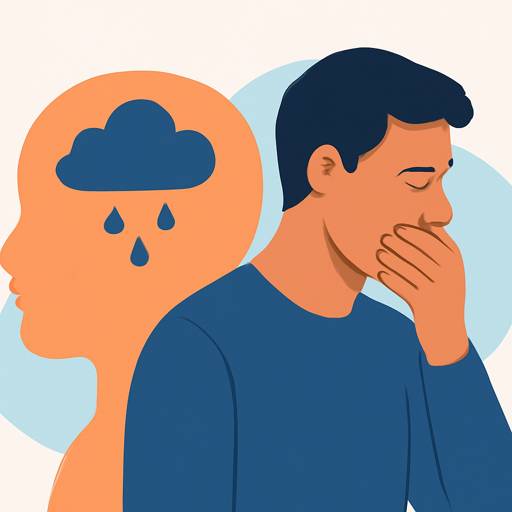
Every year, a focused spotlight turns toward the emotional wellbeing of men—a population too often conditioned to “tough it out” in silence. Men’s mental health is not a niche issue; it’s a public health priority that touches families, workplaces, and entire communities. Stigma, underdiagnosis, and barriers to care mean that many men struggle with stress, anxiety, depression, trauma, or substance use without the tools or support to recover. Men’s Mental Health Month invites honest conversations, proactive screenings, and compassionate care so that more men can move from surviving to thriving. Awareness is just the beginning; sustained, person-centered support turns awareness into change.
Understanding the Landscape: The Reality Behind Men’s Mental Health Month
Men’s Mental Health Month exists because the data and lived experiences tell a clear story: too many men carry heavy emotional burdens alone. Social expectations often reward stoicism and self-reliance, yet those same expectations can become barriers to help-seeking when life’s pressures escalate. Symptoms in men may appear less like sadness and more like irritability, withdrawal, risky behaviors, chronic pain complaints, or increased alcohol and substance use. That difference in presentation can delay recognition and treatment, even among caring partners, friends, or employers who want to help but don’t see the classic signs.
These challenges intersect with life stages and identities. Young men navigating school or early careers may experience performance pressure or social isolation. New fathers can face sleep disruption, identity shifts, and financial stress that compound anxiety or depression. Military veterans and first responders are more likely to encounter trauma exposure, which can evolve into PTSD without trauma-informed care. Men managing chronic health conditions may also experience higher rates of depression, especially if pain, fatigue, or role changes affect daily life. When you add cultural, racial, and socioeconomic factors—like limited access to quality care, language barriers, or mistrust of medical systems—the need for tailored, inclusive support becomes even more urgent.
Designating a dedicated month elevates the conversation and normalizes check-ins, screenings, and treatment. It’s a chance for families to learn the signs, for workplaces to promote resources, and for clinicians to expand outreach. It’s also a time for men to experiment with new coping skills, reframe strength as the courage to ask for help, and create routines that support sustainable wellbeing. For history, dates, and practical ways to get involved during mens mental health month, communities can explore resources that turn intention into action. The goal is not a one-time campaign, but a cultural shift where seeking care is viewed as strength and where every man has a path to recovery that fits his values, needs, and goals.
From Awareness to Action: Practical Steps Men and Their Communities Can Take
Turning awareness into change starts with simple, repeatable actions. Men can begin by conducting a private mental health check-in: How is sleep quality? Energy? Appetite? Focus? Irritability? Alcohol or cannabis use? Thoughts of hopelessness? Written checklists or validated screening tools can provide a snapshot that helps start a conversation with a primary care provider or a licensed therapist. Early intervention matters; addressing stress and anxiety now can prevent crises later. When care is needed, integrative approaches—combining therapy, skills training, and when appropriate, medication management—often deliver better outcomes than any single strategy.
Therapeutic options can be personalized. Cognitive behavioral therapy teaches practical tools for reframing negative thoughts and building problem-solving skills. Trauma-informed modalities help process painful experiences safely. For men managing alcohol or substance use, evidence-based treatments and recovery supports reduce harm and rebuild stability. Skills-based coaching around sleep, exercise, nutrition, and structure reinforces therapy. Even modest habits—like consistent bedtime routines, brief morning sunlight exposure, resistance training two or three days a week, and regular meals—can improve mood regulation and focus. Social connection acts as a strong protective factor; small steps like joining a rec league, scheduling a standing coffee with a friend, or attending a peer group can make a measurable difference.
Communities and families play a vital role. Partners and friends can use open-ended, nonjudgmental language: “I’ve noticed you’ve seemed overwhelmed lately—how can I help?” Employers can promote EAP benefits, train managers to recognize distress, and normalize flexible schedules for therapy appointments. Faith and community leaders can host talks, support groups, or quiet spaces for reflection and resource-sharing. When safety is a concern—such as escalating substance use, talk of self-harm, or inability to perform daily tasks—timely professional support is essential. Knowing emergency and crisis options, including immediate helplines, removes hesitation in urgent moments. Most importantly, consistency beats intensity: small, regular steps in treatment, self-care, and social connection add up to sustained change, making Men’s Mental Health Month the start of a long-term wellness plan rather than a one-off event.
What Compassionate, Integrative Care Looks Like for Men Today
Effective care is collaborative, respectful, and tailored. A strong first step is a comprehensive intake that explores symptoms, goals, medical history, sleep, nutrition, movement patterns, and substance use. From there, a personalized plan might blend weekly therapy with skill-building exercises, medication consultation if appropriate, and structured check-ins to track progress. Education is central: understanding how stress systems work, why mood fluctuates, and how habits influence brain health turns uncertainty into agency. Men often appreciate clear, practical goals—improved sleep, better focus at work, fewer arguments at home, or specific steps to reduce drinking—paired with metrics that show gains over time.
Integrative care recognizes that mental health doesn’t exist in a vacuum. Coordination between behavioral health and primary care can address issues like thyroid function, chronic pain, or sleep apnea that may worsen mood and energy. Trauma-informed approaches ensure that tough experiences are processed safely, without pressure or judgment. For men balancing demanding roles, flexible options—such as evening appointments, telehealth, or hybrid schedules—reduce barriers to consistent participation. Group therapy or skills classes can provide accountability and a sense of shared experience, while family sessions help loved ones learn supportive communication and coping strategies that reduce conflict at home.
Consider a common scenario: a man in his thirties juggling a high-pressure job and a new baby notices rising irritability, poor sleep, and increased drinking. In integrative care, he might begin with a thorough assessment, then start brief weekly therapy to build stress-management skills and communication strategies with his partner. He could add a sleep plan, structured workouts, and a moderated approach to alcohol, while exploring whether short-term medication could help stabilize mood and sleep. As progress builds, sessions might taper, shifting to maintenance check-ins and a peer group for ongoing support. This kind of care honors personal values, sets tangible goals, and adapts to life’s changes—reinforcing the message that recovery is a guided journey, not a solo endurance test. By aligning evidence-based treatment with real-world routines, men gain the confidence and tools to protect their mental health well beyond the month of awareness, transforming resilience from a buzzword into daily practice.

Windhoek social entrepreneur nomadding through Seoul. Clara unpacks micro-financing apps, K-beauty supply chains, and Namibian desert mythology. Evenings find her practicing taekwondo forms and live-streaming desert-rock playlists to friends back home.


Post Comment