Cruise Roll Call: Meet Your Shipmates and Make Every Port Count
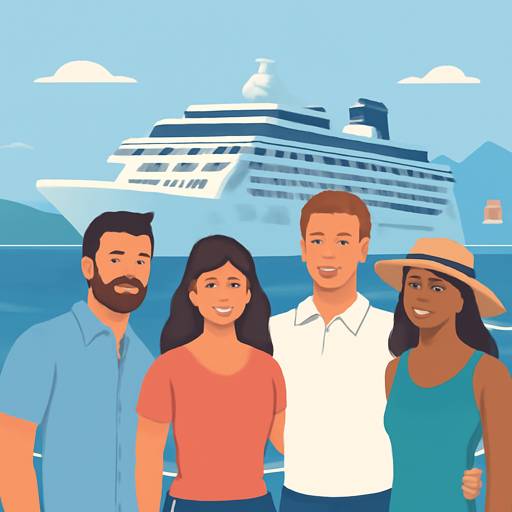
A cruise roll call is the easiest way to turn a sailing of strangers into a ready-made circle of friends, helpers, and adventure buddies. Long before the ship’s horn sounds, travelers gather online to introduce themselves, swap tips, coordinate shore excursions, and set up meetups that add extra sparkle to sea days and port calls. Think of it as a living, breathing pre-cruise community where you can ask “silly” questions without judgment, find people who share your interests, and plan a trip around the vibe you want—chill, social, or somewhere in between. From families comparing kids’ club schedules to solo cruisers teaming up for trivia, a thoughtful roll call can shrink a huge ship down to a friendly neighborhood and save money with group rates on tours and transfers. Your vacation camaraderie really can start on land.
What a Cruise Roll Call Is and Why It Matters
At its simplest, a cruise roll call is a thread or hub for guests booked on the same ship and sail date. People post their itinerary, cabin area, interests, and goals (relaxation, nightlife, culture, wildlife, food), then collaborate. That collaboration is powerful. If you’re sailing from Miami or Fort Lauderdale to the Eastern Caribbean, you might meet others who want to charter a small catamaran in St. Thomas. Booking together often unlocks better pricing and a more personalized experience. If you’re heading to Alaska from Seattle, roll call members routinely form small groups for glacier helicopter tours or wildlife viewing—far less daunting than doing it alone.
Socially, it’s a multiplier. Knowing a dozen friendly faces on embarkation day changes the whole vibe. Roll calls hatch sailaway meetups, informal pub crawls, slot pulls in the casino, and trivia teams. Families compare nap windows and kids’ club hours; multi-generational groups sync dinner times; wellness-minded cruisers set morning stretch sessions on deck. For special occasions—anniversaries, honeymoons, retirement trips—fellow guests love to share celebratory ideas and onboard surprises.
Roll calls also reduce uncertainty. New cruisers can ask about everything from dress codes to motion-sickness remedies and get answers from people actually booked on the same ship. If your Mediterranean voyage embarks in Barcelona or Civitavecchia, the group can suggest hotel neighborhoods, best strategies for boarding day transfers, and what to prioritize in Rome, Florence, or Marseille. For Southampton sailings, past guests often share UK rail tips; for Galveston or Port Canaveral, drivers compare parking and pre-cruise hotel shuttles. Joining a cruise roll call gives you a single place to collect those hyper-specific, sailing-relevant insights without sifting through generic guides.
Finally, a roll call helps you “read the room.” You’ll see the trip’s natural rhythm—early birds or night owls, foodie focus or beach-first, celebrating couples or kid-heavy holiday sailings—so you can set expectations and plan plans that match your style. That clarity pays off in calmer days and better decisions when itineraries shift or the weather misbehaves.
How to Join, Post, and Get the Most Out of Your Roll Call
Start by finding the exact hub for your ship and date; the best groups are specific to your itinerary and day-by-day port lineup. When you first post, introduce yourself with the basics: where you’re from, who you’re sailing with, what drew you to this route, and any must-do goals. Are you a solo traveler hoping to join small-group excursions? A parent planning around nap times? A diver targeting Cozumel? That clarity helps the right people find you.
Use the roll call to make smarter logistics decisions. Cruisers embarking in Miami, Tampa, or New Orleans can compare ride-share costs, cruise parking, or park-and-cruise hotels. Those sailing from Los Angeles (San Pedro or Long Beach) or Vancouver might discuss timing and traffic to the pier. For Europe, roll calls often crowdsource strategies for jet lag buffer nights and how to navigate embarkation with luggage on regional trains. In Australia, Sydney locals may recommend areas near Circular Quay or convenient airport transfers. These hyper-local threads save time and reduce pre-trip stress.
Etiquette matters. Keep posts organized with clear subjects, avoid flooding the group with off-topic chatter, and respect that not everyone wants to share personal details. It’s fine to list your deck, dining time, and interests; avoid publicly posting cabin numbers, booking IDs, or full names. If you’re organizing something—say, a St. Maarten beach day, a group dinner on a sea day, or a shipboard meet-and-greet—describe it succinctly: what, where, when, and how to RSVP. Consider simple tools like shared headcounts or a running list in a pinned post so late joiners can catch up easily.
Lean into the power of small groups. Many people prefer 6–10 guests for private tours or bar crawls. That keeps conversation lively and logistics easy. Have a backup plan if interest surges: split into two time slots or parallel groups. Establish a gentle cancellation policy and payment deadlines when dealing with third-party providers, and confirm the operator’s credentials and refund terms. Onboard, choose high-visibility meetup spots—by a distinctive lounge feature, near a venue sign, or at a lesser-used bar—with a clear five- to ten-minute wait window before you move as a group.
Be inclusive and proactive. Post prompts that invite participation: “Anyone interested in a family-friendly snorkel at 10 a.m.?” “Solo cruisers up for a sea-day brunch?” “Accessibility-friendly tour ideas for Old San Juan?” Questions like these help people self-select and make the roll call feel welcoming for everyone.
Real-World Examples and Advanced Ideas for Roll Call Success
Alaska small-group wins: A Seattle roundtrip group realized several members wanted a glacier helicopter and dogsled combo but worried about price. They formed two groups of eight, secured a better rate, and picked staggered times so both could share GoPro footage later at a lounge meetup. They added a contingency: if weather scrubbed flights, they’d pivot to a scenic train ride, which the operator confirmed could be arranged same day. The flexibility came from discussing Plan B on the roll call weeks in advance.
Mediterranean logistics hack: A Barcelona embarkation group pooled for a minivan transfer to the port, detouring for coffee and a quick photo stop in the Gothic Quarter. They shared luggage tips (pack a small day bag with meds and electronics for embarkation) and used the roll call to coordinate timed-entry tickets in Rome and Florence. Those little moves eliminated lines and maximized city time. Meanwhile, a couple celebrating an anniversary received suggestions for rooftop bars near Plaça de Catalunya, turning a practical thread into a mini concierge service.
Caribbean community builders: On a Fort Lauderdale departure, cruisers set up a sailaway meet-and-greet near the aft bar with a simple icebreaker—“favorite beach read or must-try drink.” They arranged a cabin crawl to see different stateroom categories, a friendly casino slot pull, and a late-night karaoke takeover. By midweek, a trivia squad emerged and started swapping port-day photos in the thread. The group also compared beach quality and taxi prices in Grand Cayman and Cozumel, identified reputable snorkel operators, and agreed on a common rendezvous point near the tender pier to keep things smooth.
Australia and South Pacific synergy: A Sydney sailing community teamed up for a Blue Mountains day trip pre-cruise and then created an onboard coffee club for sunrise sailaway from the Heads. They also coordinated a relaxed post-cruise lunch near The Rocks for anyone with evening flights—simple, social, and low-stress.
Advanced ideas that elevate any cruise roll call: curate themed micro-meetups (photography walks on deck at golden hour, runners’ sunrise group, wine-by-the-glass comparisons at different bars). Organize a “local secrets” thread where residents of embarkation or turnaround ports—Miami, Seattle, Southampton, or Sydney—share neighborhood eats, reliable pharmacies, and last-minute shopping. Set a “Questions of the Week” cadence leading up to sail date (packing cubes yay or nay, best sun-protective gear, motion-sickness strategies), then compile the best answers in a recap post so newcomers don’t have to scroll forever.
Safety and privacy guidelines keep the good times rolling. Share only what you’re comfortable with; save cabin numbers and personal phone details for private messages. Meet in public, well-lit areas of the ship. Vet third-party tour providers by checking licensing, safety records, and cancellation policies. If money changes hands—say, prepaying a van or catamaran—use traceable payments and post clear terms. And remember that plans are optional; no one is obliged to join every activity. A respectful, opt-in culture makes newcomers feel safe and seasoned cruisers feel appreciated.
When a roll call runs smoothly, it transforms the experience. You’ll walk aboard knowing where you want to be for sailaway, who’s up for an early shore departure, and how to pivot if weather or port operations shift your timing. You’ll also have a social safety net—a friendly face at breakfast, a backup seat at the theater, and a ready-made team for last-minute trivia glory. That blend of planning and spontaneity is the secret sauce of an excellent cruise, and a well-run cruise roll call is where it starts.

Windhoek social entrepreneur nomadding through Seoul. Clara unpacks micro-financing apps, K-beauty supply chains, and Namibian desert mythology. Evenings find her practicing taekwondo forms and live-streaming desert-rock playlists to friends back home.

