Heating and Cooling Greer SC: Reliable Comfort for Upstate Homes
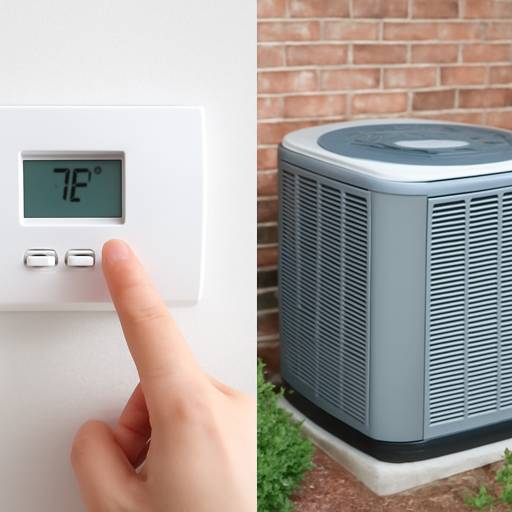
From brisk winter mornings to humid July afternoons, Greer’s weather demands a home comfort strategy that does more than turn on and off. The right heating and cooling approach blends precise equipment sizing, humidity control, clean airflow, and dependable service. If you own a home in Greer, SC, here’s how to make your HVAC work smarter, last longer, and keep utility bills in check—no matter what the Upstate forecast brings.
What Greer, SC Homeowners Need from a Modern HVAC System
Greer sits in the Upstate’s unique climate zone, where you can see a 40-degree temperature swing in a single week. That variability is why a modern HVAC setup should prioritize flexibility. Many local homes thrive with high-efficiency heat pumps capable of cooling in summer and heating through most of winter. For colder snaps, dual-fuel systems that pair a heat pump with a gas furnace can switch automatically to the most efficient heat source. This balance minimizes energy waste while keeping you consistently comfortable.
Humidity is the other year-round challenge. In summer, excess moisture strains air conditioners and leaves rooms clammy even when the thermostat says you’re cool. In winter, dry indoor air can irritate sinuses and wood finishes. Smart solutions include variable-speed compressors, multi-stage furnaces, and ECM blower motors that run longer at lower speeds to remove more moisture in summer and balance temperature in winter. Whole-home dehumidifiers and humidifiers integrate directly with your ductwork to fine-tune indoor moisture, which enhances comfort at lower setpoints and protects finishes and furnishings.
Proper system sizing and duct design are essential in Greer’s housing mix—whether you live in a cozy bungalow near downtown, a two-story home off Brushy Creek, or a new build on the outskirts. Oversized systems short-cycle, wasting energy and leaving humidity behind; undersized systems run endlessly without reaching the target temperature. A reputable installer will complete a Manual J load calculation, select equipment with Manual S, and confirm duct sizing with Manual D so each room receives the airflow it actually needs. This engineering-first approach avoids hot/cold spots and ensures the equipment’s rated SEER2 and HSPF2 efficiencies show up on your utility bill.
Indoor air quality matters, too—especially during pollen season. A properly sealed return, high-MERV filtration sized to protect airflow, and regular coil cleaning reduce allergens and dust. Add zoning where appropriate, and install a smart thermostat that learns your schedule and balances comfort with savings. These details turn a standard HVAC system into a finely tuned comfort plan built for Upstate seasons.
Repair, Maintenance, and Energy Savings: Keeping Your System Performing Year‑Round
In Greer, the most cost-effective HVAC strategy is proactive care. A spring AC tune-up and a fall heating inspection help prevent surprises when weather hits extremes. A thorough maintenance visit goes far beyond swapping filters. Expect a technician to verify refrigerant charge, clean indoor and outdoor coils, test blower performance, measure static pressure, inspect duct connections, calibrate safety controls, check defrost cycles on heat pumps, and confirm thermostat accuracy. This keeps systems operating within manufacturer specs and protects warranties.
Local repair patterns often trace back to climate factors. Summer pollen and cottonwood can clog outdoor coils and stress compressors. High humidity fosters algae growth in condensate lines, triggering water overflow switches that shut your AC down. In winter, heat pumps rely on proper defrost operation; a faulty sensor can cause excessive ice buildup and poor heat output. Other common issues include worn capacitors from frequent cycling, blower motor failures due to restricted airflow, and cracked igniters on gas furnaces. Addressing these problems promptly prevents cascading damage and reduced lifespan.
Watch for early warning signs: rising utility bills without a change in habits, rooms that won’t match your setpoint, drafty hallways, unusual noises on startup, short-cycling, or a musty smell when the system runs. These are clues that airflow is restricted, refrigerant is low, or controls need attention. Timely repair protects efficiency and comfort—especially critical during Greer’s peak seasons when equipment runs the hardest.
Energy savings come from a combination of tune-ups and targeted upgrades. Sealing and insulating ductwork can reclaim significant lost capacity in older homes. Variable-speed blower retrofits or ECM replacements improve humidity control and cut electrical usage. Smart thermostats with geofencing reduce run time when you’re away, while staged or variable-capacity outdoor units can deliver meaningful reductions in summer energy consumption. Check for available utility rebates in the Upstate for qualifying high-efficiency systems and smart controls. When the time comes for replacement, choosing equipment that’s right-sized for your home and lifestyle will typically save more in the long run than oversizing “just in case.” The result is quieter operation, better moisture control, and durable, year-round comfort.
Selecting a Local HVAC Partner You Can Trust in Greer
Choosing the right HVAC team is as important as the equipment itself. Look for a local, residential-focused company with deep Upstate experience, proper licensing and insurance, and technicians trained to perform load calculations—not just quote by square footage. A strong partner will recommend solutions tailored to Greer’s climate: high-efficiency heat pumps or dual-fuel systems, humidity control, and filtration that won’t choke airflow. You want transparent pricing, clear communication, and a maintenance plan that preserves efficiency and uptime. If you need a starting point, learn more about Heating and Cooling Greer SC from a team that’s served Upstate homeowners since 2013.
Real-world examples illustrate what to expect. In a two-story home near the Riverside schools, the upstairs regularly ran 4–6 degrees warmer each afternoon. A detailed assessment revealed supply imbalance and excessive static pressure. The solution combined a modest duct revision, a right-sized variable-speed heat pump, and strategic zoning. The homeowner gained even temperatures across floors, quieter operation, and a noticeable drop in summer humidity—without oversizing the equipment.
Another case involved a lakeside property where summer moisture and musty odors were ongoing concerns. A whole-home dehumidifier integrated with the existing air handler, paired with better return filtration and careful coil cleaning, reduced indoor humidity by 10–15% at the same thermostat setpoint. With lower moisture, the AC ran fewer hours, and the homeowner reported improved sleep and fewer allergy symptoms during peak pollen weeks. These targeted, data-driven fixes demonstrate how heating and cooling strategy can be personalized to Greer’s conditions and your home’s layout.
When evaluating proposals, ask about the commissioning process. A quality installer will document airflow per room, measure temperature split, verify refrigerant charge by manufacturer method, and confirm static pressure within acceptable ranges. They’ll discuss SEER2 and HSPF2 ratings in practical terms and help you weigh the tradeoffs between single-stage, two-stage, and variable-capacity equipment for your specific needs. They should also review filter sizing, condensate management, and ventilation options, and help you plan for ongoing maintenance. Finally, ensure your quote includes permits where required, labor and parts warranties, and clear steps for support if an issue arises during peak season.
Greer homeowners benefit from a partner who treats comfort like a system—balancing equipment, ducts, controls, and indoor air quality to perform as one. With thoughtful design, meticulous installation, and consistent care, your home can stay comfortable through every Upstate season while keeping energy costs in check. That’s the promise of truly local heating and air expertise applied the right way, from the first site visit to the final system check.

Windhoek social entrepreneur nomadding through Seoul. Clara unpacks micro-financing apps, K-beauty supply chains, and Namibian desert mythology. Evenings find her practicing taekwondo forms and live-streaming desert-rock playlists to friends back home.


Post Comment