Florida Elder Law: Plan Smarter, Protect More, and Age on Your Terms
What Florida Elder Law Covers: The Legal Toolkit for Aging Well
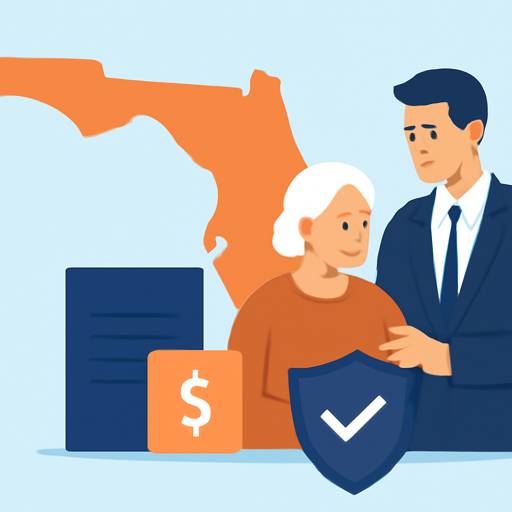
At its core, Florida elder law is about protecting people, preserving dignity, and putting practical systems in place for the years ahead. While many think “elder law” is just another way to say “estate planning,” it’s actually a broader, more holistic approach that coordinates health care decisions, finances, benefits, housing, and family support. The goal is straightforward: keep you in control as long as possible and ensure your wishes are honored when you need help most.
Effective planning typically begins with incapacity documents tailored to Florida law. A well-drafted Durable Power of Attorney names a trusted agent and grants specific financial powers Florida requires to be spelled out. Because Florida generally disfavors “springing” powers, these documents usually take effect immediately—one reason careful drafting and agent selection matter. On the health side, a Designation of Health Care Surrogate and Living Will guide medical decisions and end-of-life care, while HIPAA releases ensure your surrogate can access records. These directives reduce family conflict and eliminate guesswork during a crisis.
Beyond decision-making, asset protection and probate avoidance are central themes. Florida’s homestead rules provide unique protections, and an enhanced life estate deed—often called a Lady Bird Deed—can allow your home to pass directly to loved ones without probate while preserving valuable tax and Medicaid planning advantages. Families with loved ones who have disabilities often use special needs trusts to safeguard eligibility for benefits while improving quality of life. For blended families or second marriages, carefully structured trusts can balance the needs of a surviving spouse with inheritances for children.
Guardianship is another key component. Florida courts must consider less-restrictive alternatives first—like powers of attorney or trusts—before appointing a guardian. When guardianship is unavoidable, thoughtful preparation can streamline the process and limit the guardian’s authority to what is truly necessary. Planning “upstream” prevents emergency court actions, allows families to keep care decisions private, and saves significant time and expense.
The right elder law strategy isn’t one-size-fits-all; it accounts for health status, family dynamics, long-term care expectations, and available benefits. Whether you are just getting started or responding to a sudden diagnosis, an experienced guide in Florida Elder Law can coordinate the legal, financial, and caregiving pieces so everything works together.
Medicaid and Long-Term Care in Florida: Protecting Assets While Securing Care
For many Florida families, the most urgent elder law concern is paying for long-term care. Nursing homes and even assisted living can be financially overwhelming. While Medicare covers short-term rehabilitation after a qualifying hospital stay, it does not pay for extended custodial care. That is where Florida Medicaid becomes critical—through programs that can fund nursing home care (institutional care) or help eligible seniors remain at home or in assisted living through community-based waivers.
Florida is an “income-cap” state for Medicaid long-term care. If monthly income exceeds a set cap tied to federal limits, a Qualified Income Trust (also known as a Miller Trust) can be the key to eligibility. The trust receives enough monthly income to bring the applicant under the cap, allowing benefits to proceed. Asset limits also apply, but not all property is counted. A primary residence within Florida’s home equity limit, one vehicle, personal effects, and certain prepaid burial arrangements can be treated as non-countable. For married couples, spousal impoverishment protections help the community spouse keep a portion of assets and income, allowing one spouse to qualify without bankrupting the household.
Transfers for less than fair market value within the five-year “look-back” can trigger a penalty period of ineligibility, but careful, lawful planning can still preserve significant assets—even during a crisis. Strategies may include converting countable assets into exempt resources, using caregiver agreements that compensate family for real services, and structuring spend-downs that improve quality of life (think home modifications, dental care, hearing aids, or safer bathroom fixtures). In certain cases, irrevocable trusts, pooled trusts, or personal services contracts may fit, but each option has strict rules and timing requirements that must be followed to the letter.
Quality of care is as important as eligibility. Florida law grants nursing home and assisted living residents specific rights, including participation in care planning, protection from inappropriate transfers or discharges, access to medical information, and the ability to voice grievances without retaliation. Admission packets often include arbitration clauses and complex financial agreements—documents that should be reviewed carefully before signing. A knowledgeable Florida elder law attorney can align care goals with financial realities, navigate Medicaid from application to approval, and help families enforce residents’ rights if problems arise.
Real-World Scenarios and Florida-Specific Strategies
Every family’s path looks different, but certain patterns recur—and Florida law offers targeted solutions when you know where to look. Consider a married couple where one spouse is admitted to a nursing home after a fall. The healthy spouse fears losing the home and life savings. With prompt planning, assets can often be reorganized so the community spouse keeps protected resources and income, while the institutionalized spouse qualifies for benefits. If the applicant’s income is over the cap, a Qualified Income Trust can be created and funded correctly each month to meet program rules. Result: the couple preserves financial stability and secures needed care without unnecessary liquidation.
Now imagine a widowed homeowner determined to avoid probate and minimize future complications for adult children. A Florida-tailored estate plan might combine a Lady Bird Deed for the homestead with a revocable living trust for other assets. The deed keeps control during life and transfers the home efficiently at death, often sidestepping probate and helping limit Medicaid estate recovery—which in Florida is generally confined to probate assets. Adding up-to-date advance directives ensures decision-makers are in place if incapacity occurs, reducing the chance of guardianship later.
For families providing hands-on care, a formal caregiver agreement can be a win-win: it recognizes the caregiver’s time and may offer a legitimate path to spend-down that improves eligibility without risking penalties. Documenting real services—transportation, meal preparation, medication reminders, coordination of appointments—and paying reasonable market rates are essential. This structure supports the elder, compensates the caregiver fairly, and helps keep the plan compliant.
Veterans and surviving spouses should also consider VA pension with Aid & Attendance, which can help pay for in-home help or assisted living when service and financial criteria are met. Coordinating VA benefits with Medicaid requires precision to avoid conflicts and maximize support. Similarly, when a loved one with a disability will inherit, a special needs trust can preserve means-tested benefits while funding vital extras—from therapies to adaptive technology.
Finally, paperwork at care facilities deserves scrutiny. Arbitration clauses, responsible-party language, and private-pay guarantees can create unintended liability for family members. Review before signing, limit your role to “agent” under a Durable Power of Attorney when appropriate, and keep a copy of resident rights handy. In disputes over care, discharge, or billing, timeframes are short and appeals can be technical—prompt legal guidance can protect both care and coverage.
Whether planning years in advance or responding to an urgent change in health, the right blend of Medicaid planning, estate tools, and residents’ rights advocacy empowers Floridians to age with confidence. Thoughtful, Florida-specific strategies help families protect assets, secure benefits, and honor personal wishes—without sacrificing the quality of care or peace of mind that everyone deserves.

Windhoek social entrepreneur nomadding through Seoul. Clara unpacks micro-financing apps, K-beauty supply chains, and Namibian desert mythology. Evenings find her practicing taekwondo forms and live-streaming desert-rock playlists to friends back home.